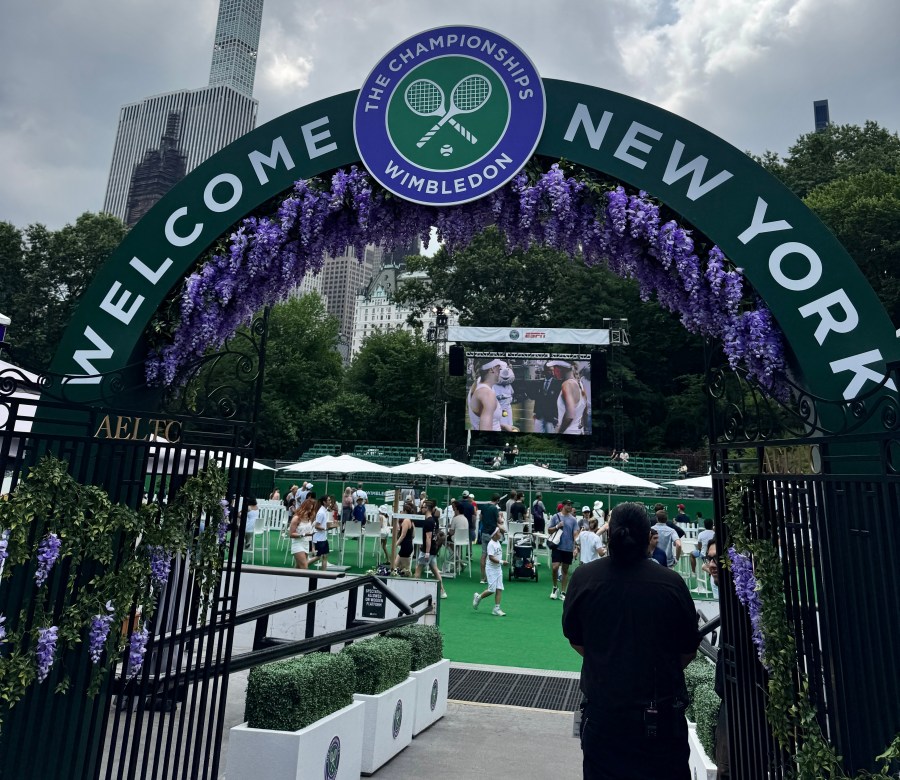
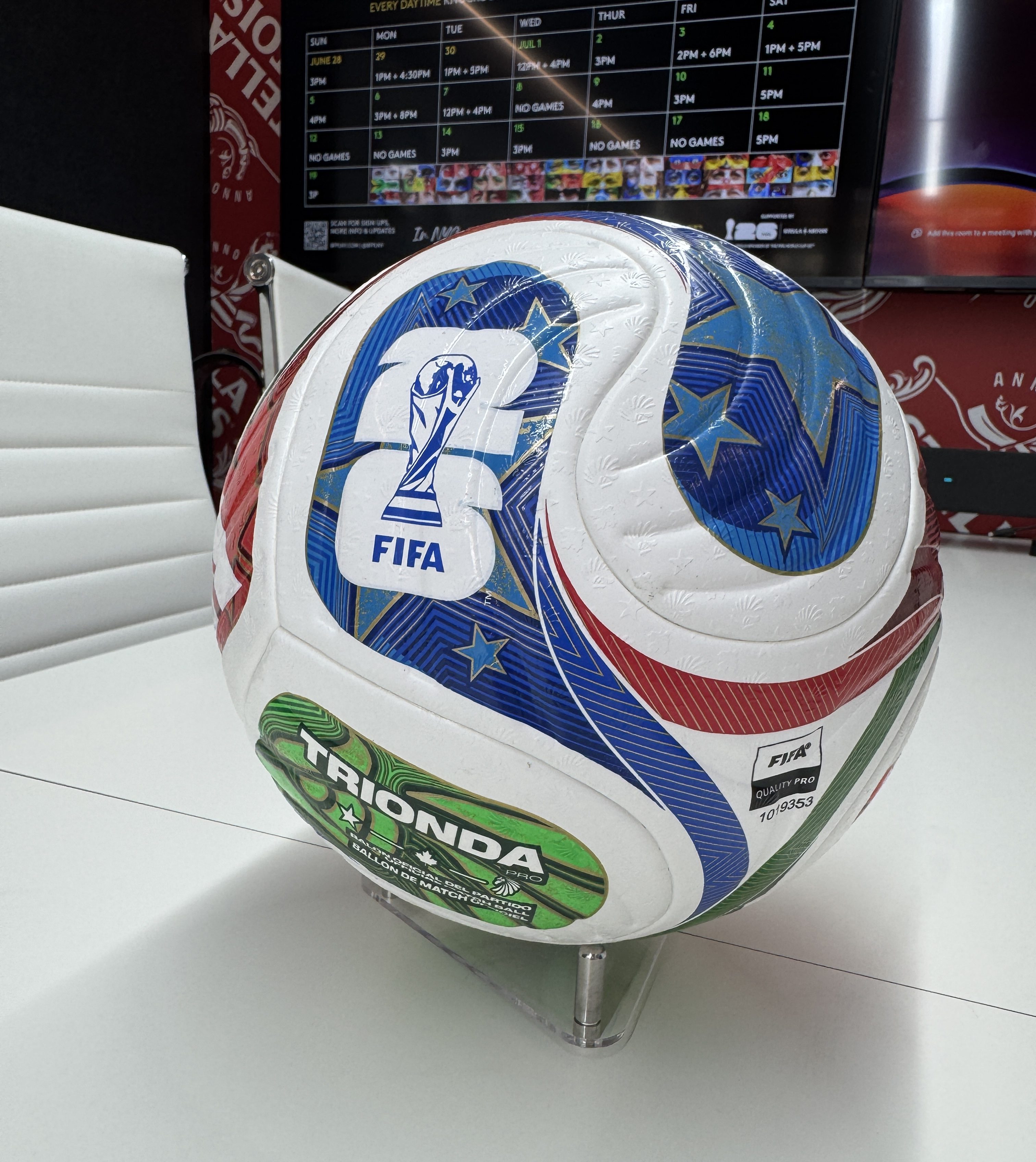
From watch parties to fan experiences, this summer brand activations (what we generally like to refer to as pop-ups) are everywhere. In the past three months alone, I’ve attended pop-ups for The Masters, Wimbledon, and The World Cup, not to mention a Knicks watch party or two that sprang up in every park and street in NYC.
So what do brands get out of developing experiences that showcase their personality or products independently or within larger events. And, what goes into making a great experience? And finally, can B2B brands participate or is this strictly a B2C trend?
Benefits of Brand Activations
Pop-ups aren’t cheap, so why invest in this type of marketing. Because it ties to the basic tenets of marketing: awareness, preference and in some cases, even sales.
- People sharing their experience with your brand. Attention (brand awareness) is a big reason to create a brand activation. Face it. We’re all a little bored. When you create something out of the ordinary that’s worth telling their friends about, you tap into word of mouth marketing and in today’s world, digital and social media marketing.
- Make deeper connections with buyers by engaging with them. People have demonstrated that we want to be a part of something bigger than ourselves. We want to go out to watch games or even Bravo Franchise Reunions so that we can get outside of our computers and connect with other people in real life over common interests. We want to say we were there. Participating in something that they didn’t expect from you helps build preference for your brand because the next time they encounter you they associate you with that positive experience.
- FOMO. Brand activations are short-lived, running anywhere from a few days to a few weeks, so your audience has to act quickly or they’ll miss out on the experience. That “here today, gone tomorrow” characteristic of pop-ups creates buzz and interest in your brand.
How to Create a Brand Activation
There are two avenues for creating an activation: building a standalone experience where your brand is the lead or partner with a bigger event and build a branded experience within it.
For example, Wimbledon wanted to extend their brand to tennis fans across the pond, so they built an experience in Central Park. The experience was free to enter and then sold authentic food and merch that you’d get if you attended the real thing at the All England Club. They programmed the four-day event with local and celebrity tennis exhibitions, special opportunities to play on grass courts as well as a live-streaming watch party for some of the actual event happening in London. Fans had opportunities to win prizes with trivia contests and other giveaways. And it appears Wimbledon marketers got what they wanted: Reddit users pronounced it a success. We left with an assortment of Wimbledon items and stomachs full of sausage rolls, strawberries and cream, Welsh Rarebit, and Pimm’s Cups.
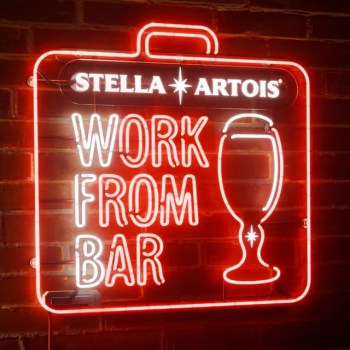
Stella Artois took the opposite approach and played off the World Cup excitement by creating a watch party experience inside a mall space. Their activation featured two sections: soccer themed games for kids and a 21+ bar for adults to watch matches and enjoy beverages. Being surrounded by offices, the bar area also included a “Work From Bar” concept where people could reserve an enclosed pod for an hour to conduct meetings or have a quiet space to work. The pod was stocked with complimentary Stellas and a tap of its Stella 0.0 (which I did try for the first time and was identical in taste to the real thing).
The second avenue is the way I see it working for most B2B brands. Tapping into a popular industry event and connecting your brand to its excitement and positive energy will help you create a memorable and successful experience.
Both methods require your team to think outside of the typical marketing box and take a risk in trying something you’ve never done before.
Essential Ingredients in a Brand Activation
This is where creativity shines. A strong activation requires intense creativity that ties back to the business goal. Key ingredients that make an activation include:
- Uniqueness. The experience has to give people a fresh reason to engage with your brand. What can you offer that’s a rare opportunity for your audience? What will they not get anywhere else from you that makes them stop and take note. For example, Bank of America gave away limited edition World Cup bracelets at their stadium fan experiences as well as select bank locations. It gave people a reason to come to them.
- Personalized Experience. Think about what you can give that your audience will want to hold on to. Stella offered on-site chalice engraving turning their signature icon into a personalized keepsake.
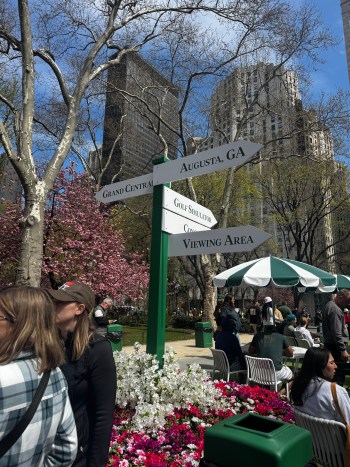
- Authenticity. Your brand needs to fit with the experience. Look for commonalities between the feeling you want your audience to have and your brand’s value proposition and build the experience from those. If you go too far astray, your audience will notice. The Masters gave their audience a chance to play an Augusta hole on golf simulators at their pop-up experience and offered food options that included a signature pimento cheese sandwich.
Taking Risks Can Pay Off
In my experiences this summer, by holding pop-ups both Wimbledon and Stella Artois sold more products than they would have otherwise. Stella promoted something many of its current customers likely haven’t ever tried. Wimbledon and The Masters let more people connect with their brands and feel like they were in on a piece of the action. Both could draw more viewers to their already successful events. With a little creativity, your B2B brand can use their model to create experiences for your brand that attract new customers and build a stronger connection with your current customers.

